James
James 

Simony: Merchandising The Gospel
(Titus 1:11).
What is Simony?
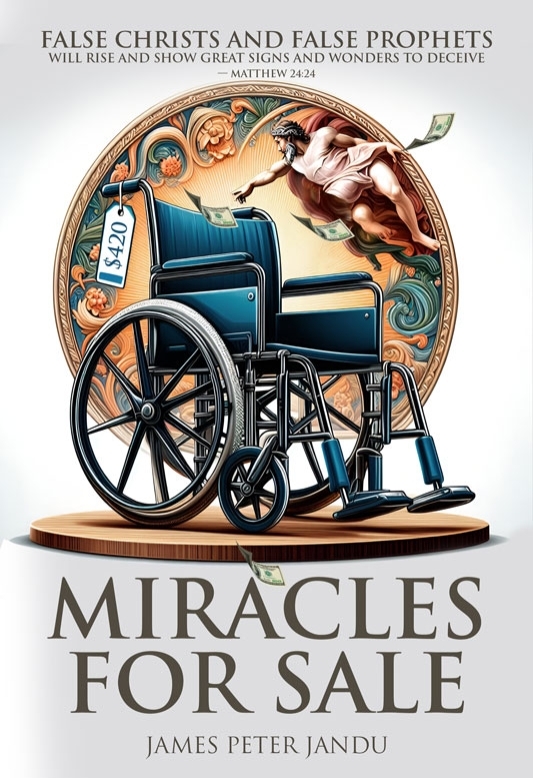
Simony is the act of selling church positions, roles, or sacred items. It gets its name from Simon Magus in the Acts of the Apostles, who tried to buy the power to give the Holy Spirit to others. The term also covers selling other spiritual items or services for money. When this happens, a church or ministry becomes a den of thieves, much like big pharma. Apparently, faith now comes with a price tag. When miracles come with a price tag, it starts looking less like ministry and more like merchandising the Gospel.
False Prophets Making Money From Miracles
Selling Miracles
Throughout history, people have sold items they claimed were from the Bible. Some miracle scams come with anointing oil, a handkerchief and, strangely enough, a receipt.

Merchandising The Gospel Through Sacred Relics
The Deception of Selling ‘Sacred’ Relics
Martin Luther once observed that so many supposed pieces of wood from the cross of Christ existed that they could fill an entire forest. He also pointed out that relics sold as saints’ bones often came from ordinary animals like donkeys. He regarded these practices as outright fraud, yet people paid large sums of money, believing these items held spiritual significance.

Selling Miracle Oil, Healing Items and Other Gimmicks
Modern Exploitation
The sale of handkerchiefs, water, sprays, and miracle oil has become a widespread practice. Ordinary supermarket oil is often repackaged with added fragrance and marketed as “anointed oil.” The trend has expanded to anointed fruits, chairs, and other gimmicks.
Some tricksters have even rigged objects, such as chairs, with static electricity devices to create minor shocks, causing people to jump—giving the illusion of God’s power moving through them. Christian television has also played a role in commercialising faith, selling items like the “Rose of Sharon” under the guise of divine blessing. However, this blatant monetisation of faith contradicts God’s will.

Miracle Scams: Selling Healing Handkerchiefs
The Handkerchief Scam and Other Absurdities
One preacher encouraged believers to place a green handkerchief on their head for healing—but, of course, it had to be purchased first. Another well-known figure, Don Stewart, promoted red handkerchiefs for the same purpose.
Churches Selling Miracles and Turning Into Marketplaces
Churches Turned Into Marketplaces
Churches worldwide have engaged in the sale of so-called anointed items despite clear biblical warnings. Bishop Reid recalled an incident where a woman wanted to set up a bookstore in his church. He allowed her to sell books outside the sanctuary, but she also brought “healing rugs” with maps of Israel, claiming they would heal the sick when placed on beds.
Selling miracles used to sound ridiculous. Now it apparently comes with special offers.
Bishop Reid also condemned the sale of coloured handkerchiefs, miracle water, and other gimmicks:
Selling miracle oils, healing cloths and prophetic blessings is merchandising the Gospel.
Witchcraft Christianity and the Selling of Spiritual Products
Witchcraft Christianity
Bishop Reid and Archbishop Idahosa banned a well-known preacher for practising witchcraft.
They also sell water mixed with Ribena colouring for 2,000 naira, telling people to sprinkle it around their homes to remove demons. That’s witchcraft! One of the biggest churches in Lagos promotes it. We banned that preacher from ever coming to our meetings. I don’t want a witch standing next to me.” — M.S.B.R.
During August 2026 I attended a well know Nigerian church that is well know for merchandising the gospel. (Read about it HERE).
Pastors Charging for Healing and Miracles
Charging for Miracles: A Sign of Fraud
In Kenya, certain pastors used automated robocalls to promise miracles—for a price. The greater the miracle requested, the higher the required donation.
When prophecy comes with a financial price tag, it proves it is tainted. Psychics and fortune-tellers charge for “spiritual guidance,” but faithful servants of God do not seek profit from prophecy, miracles, or healing.
Jesus commanded: “Heal the sick, cleanse the lepers, raise the dead, cast out demons. Freely you have received, freely give.” (Matthew 10:8)
I recently exposed an Indian evangelist names Apostle Rambabu as someone who I believe has merchandised the gospel. (Read HERE)
Simon the Sorcerer: The Biblical Warning About Simony
Simon the Sorcerer
In Acts 8, Simon the Sorcerer observed that when Peter and John laid hands on people, they received the Holy Spirit. Seeing this, he desired the gift and offered them money in exchange.
Peter’s response should resonate powerfully with all who sell miracles in exchange for seed offerings:
False Prophets, Money and Merchandising the Gospel
Simony turns the gifts of God into a shop with a checkout counter. No amount of giving can buy a gift from God. Trading the power of God for money is not only heretical—it is demonic.
One church in London, known as SPAC Nation, has been widely criticised for promoting wealth as an essential part of spiritual success. Critics argue that this approach can reduce the Gospel to a message centred on money, prosperity and material gain. (Read HERE).
Jesus said, “Freely you have received, freely give.” Someone clearly missed that memo. Simony is what happens when “freely you have received” somehow becomes “£49.99 plus postage.”
The Gospel was never meant to be a marketplace.