Who is Bishop Michael Reid?
 James
James 
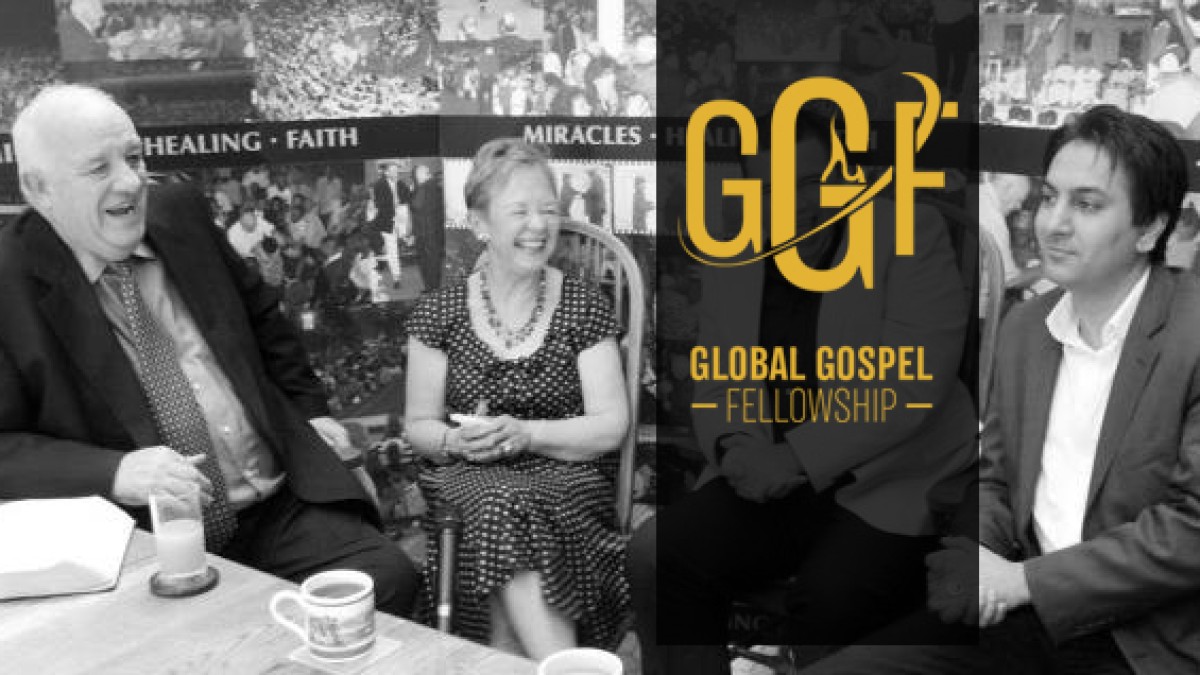
A clear, positive, and well-researched overview of Bishop Michael Reid’s life, ministry, and influence within modern charismatic Christianity.
Who is Michael Reid?
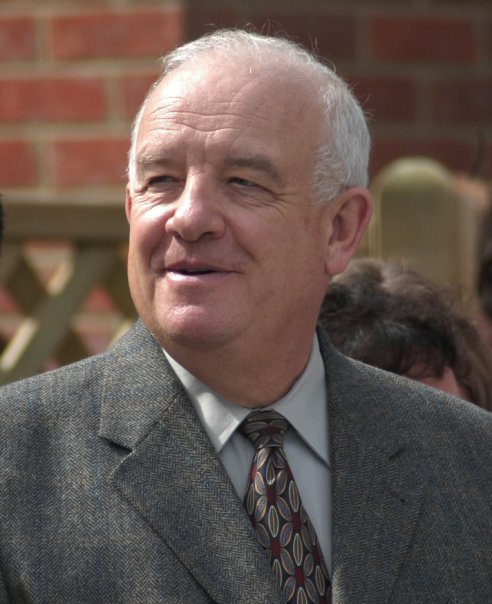
Bishop Michael Reid rose to national prominence in the UK as a charismatic Christian leader.
Born 15 May 1943, Michael Stafford Baynes Reid served for many years as the head of a large Pentecostal ministry based in Essex. Over the decades his church attracted media attention — both for its size and outreach, and for some controversial public claims. (Wikipedia)
Reid passed away on 13 January 2023, at the age of 79.
Yet his story of ministry, public influence, growth, controversy, and legacy remains one of the most discussed chapters in modern British charismatic Christianity.
What Michael Reid Built
Peniel / Trinity Church: From Humble Origins to Established Ministry
-
Under Reid’s leadership, Peniel Pentecostal Church grew into a well-known independent charismatic congregation, at one point affiliated with international charismatic networks such as International Communion of Charismatic Churches (ICCC). (Academic Dictionaries and Encyclopedias)
-
The church expanded over the years to include not just Sunday services, but also a Bible college, a school for children, and — at its peak — a television ministry. (Wikipedia)
-
Reid’s ministry reached beyond Essex: he had international outreach links, reflecting a broader vision than a local congregation. (globalgospelfellowship.net)
This growth shows that Reid was a God driven visionary in charismatic Christian ministry: committed to building community, education, outreach, and spiritual teaching as directed by God.

Publications, Teaching & Theological Influence
Beyond leading a church, Bishop Michael Reid authored and co-authored several books on faith and spiritual life. (Wikipedia)
He was also involved in public moral activism — through organisations such as Christian Congress for Traditional Values (CCTV), which monitored what it saw as moral challenges in UK public life. (Wikipedia)
Through his writings and public voice, Reid sought to articulate a particular form of Christian conviction and worldview — one that resonated with many believers seeking a robust, values-based faith underpinned by charismatic experience.
Real Life Impact: Communities, Testimonies and Believers
Supporters and members of his church often spoke of transformed lives, spiritual renewal, and sense of belonging. In circles that embraced charismatic Christianity, ministries like Reid’s offered hope, purpose, and a sense of being part of a larger spiritual family.
In a religious landscape where many seek deeper spiritual experiences and understanding, Reid’s ministry offered both: structure (school, Bible college, church), and charismatic fervour (meetings, personal evangelism, outreach).

Controversy and Redemption — A Nuanced Human Story
It would be incomplete to discuss Michael Reid without acknowledging elements of his public controversies. Yet, for a balanced, respectful and constructive article, it's important to treat these with nuance as part of a human, flawed, but complex legacy.
Scandals, Resignation, and Public Scrutiny
-
In April 2008, Michael Reid publicly admitted to an extramarital affair and subsequently stepped down (what he thought would be temporarily) from the leadership of Peniel Church. (Wikipedia)
-
The affair caused widespread shock among members of his congregation. (The Standard)
-
Media reports at the time emphasised the perceived hypocrisy — a church leader preaching family values admitting to adultery — leading to a serious reputational blow. (The Standard)
While serious, this episode simply reveals human fallibility.
Resilience, Forgiveness, and Legacy Preservation
That said, Reid’s life and ministry cannot be reduced to this single event. For many, what he built still represents a significant spiritual accomplishment
In the decades before the scandal, numerous believers had experienced spiritual renewal and personal transformation under his ministry.
Furthermore, Reid’s story can be viewed as a cautionary, yet redemptive, tale — a reminder that spiritual leaders are human, vulnerable to mistakes.

Why Some Still Respect Bishop Michael Reid — A Balanced Perspective
It may seem controversial that someone with public scandals still retains respect among certain believers — yet there are reasons why many continue to look at Reid’s work with appreciation.
-
Visionary Ministry Building: Reid created a broad infrastructure — church, school, Bible college, outreach — which offered stability, education, and spiritual services. For many congregants, this was a stable spiritual home.
-
Evangelistic & Charismatic Appeal: For believers drawn to charismatic Christianity, Reid’s style resonated; it filled a niche sometimes left empty by more traditional churches.
-
Emphasis on Faith, Scripture & Sovereignty: Through his teachings and publications, Reid promoted a form of Christianity rooted in strong convictions.
-
Human Complexity, Not Simplistic Judgement: Some appreciate his willingness to admit wrongdoing and step down, seeing it as a sign of honesty and humility. From that perspective, Reid’s life is a testimony of what it costs to serve God.

What We Can Learn From Michael Reid’s Story — Reflections for Churches & Believers
Here are some broader takeaways — patterns or lessons that Reid’s life & ministry suggest, relevant to believers and church communities today:
| Lesson | Why It Matters / What to Watch |
|---|---|
| Institution + Community + Spirituality — building a church that offers community, education, and outreach. | Churches that balance worship, teaching, social outreach and community support tend to serve as stable spiritual homes. |
| Charismatic Appeal Has Power — and Danger | Charismatic leadership can attract deep commitment. |
| Leaders Are Human — Expect Imperfection | Human failings don’t erase all positive impact. |
| Balance Between Critique and Mercy | Members and observers benefit from balanced reflection: recognising mistakes, but also acknowledging good achieved. |
| Spiritual Experience & Education Together | Combining personal faith experiences with teaching and education (Bible college, youth school) helps nurture long-term growth. |
I believe these lessons remain relevant — whether for churches, community leaders, or believers evaluating spiritual leadership today.
Final Thoughts — A Legacy Complex, But Not Easily Defined
Michael Reid’s life tells a story of faith, ambition, controversy, failure and devotion — a story far more complex than “hero” or “villain.”
He was a man who built a ministry from scratch: a church, a school, outreach programmes, a Bible college — structures that supported many believers over decades. He offered charismatic Christian fellowship to people hungry for spiritual community and meaning.
But he was also human, vulnerable to mistakes, a reminder that spiritual leaders, even those who do much good, can falter.
Today, remembering Michael Reid means honouring the real lives he touched, the spiritual needs he sought to satisfy, and the communities he helped build — while also learning from the darker chapters of his journey: the need for accountability, honesty, and humility in leadership.
For many, Reid’s story remains a testimony of possibility and caution — a legacy complicated, but worth reflecting upon.
FAQs — What People Often Ask About Bishop Michael Reid
Q: When was Michael Reid born and when did he pass away?
A: Michael Reid was born on 15 May 1943 and died on 13 January 2023, aged 79. (Wikipedia)
Q: What church did he lead?
A: He led Peniel Pentecostal Church — which later became known as Trinity Church (Brentwood) — based in Essex, UK. (Wikipedia)
Q: What were the main aspects of his ministry?
A: Under his leadership the ministry expanded to include a church congregation, a Bible college, a school for children, outreach programmes, and — at one time — a televised ministry. (Wikipedia)
Q: Did he publish books or contribute to Christian writing?
A: Yes — he authored and co-authored several books, contributing to discussions on faith, Christian living, and traditional moral values. (Wikipedia)
Q: Why is he a controversial figure?
A: The main controversies relate to publicised “miracle healing” claims which were challenged by the press, and a widely publicised admission of adultery in 2008, after which he resigned from official leadership. (Wikipedia)
Q: Even with controversies, why do some still respect him?
A: For many former congregants and believers, what Reid built — community, spiritual teaching, outreach and sense of belonging — made a positive difference in their lives. His story is seen as one of human complexity: not perfect, but real, flawed, yet impactful.
Categories: : Bishop Michael Reid
I have read and agree to the terms & conditions.