Pastor Tony Spell Incident: Self-Defence, Scripture & the Duty to Protect Family
 James
James 
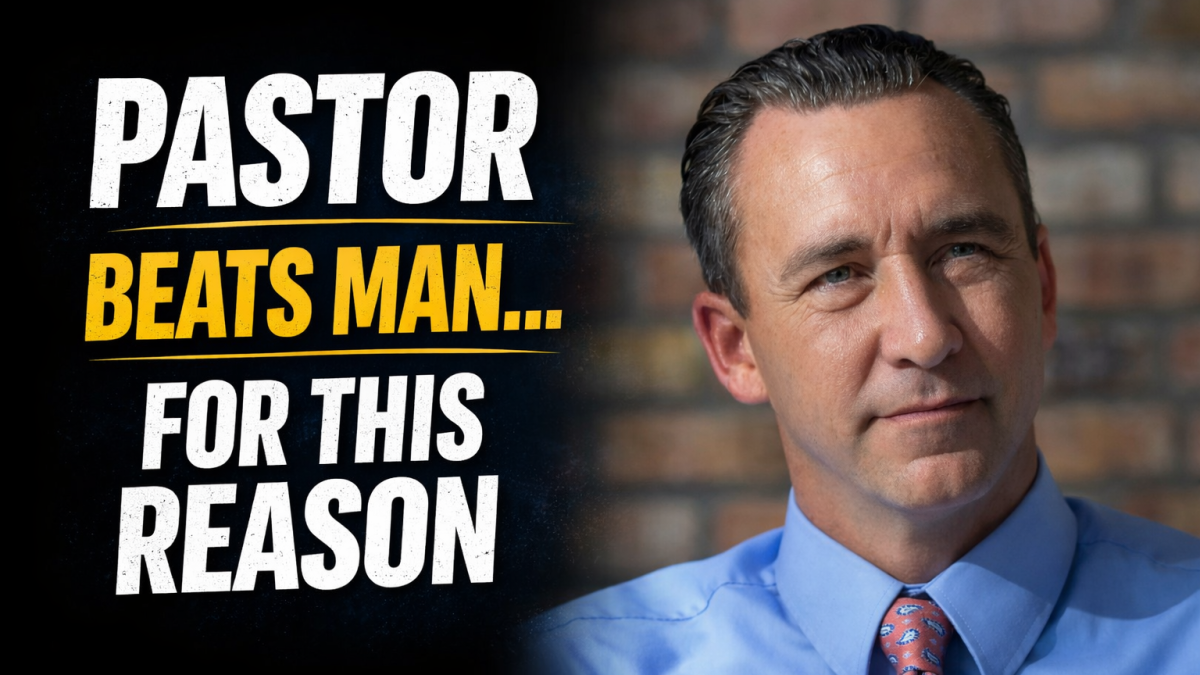
Explore the Pastor Tony Spell incident and what the Bible says about self-defence, "turn the other cheek," and a Christian's duty to protect family.
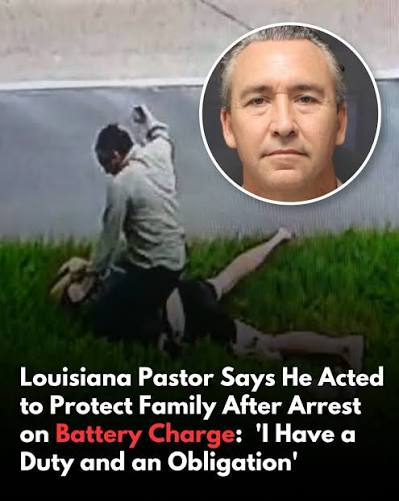
Let me first point out that I support Pastor Tony Spell.
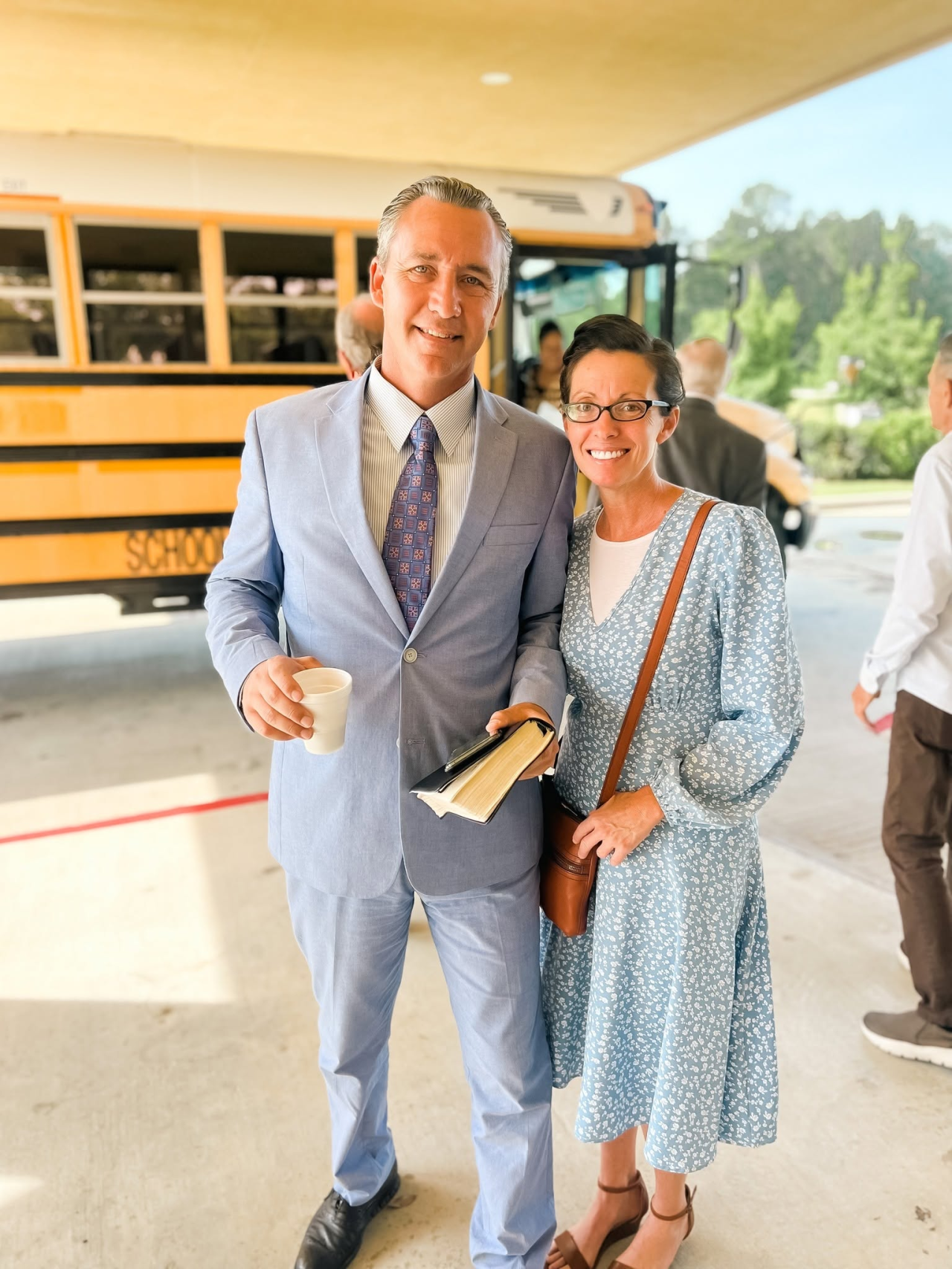
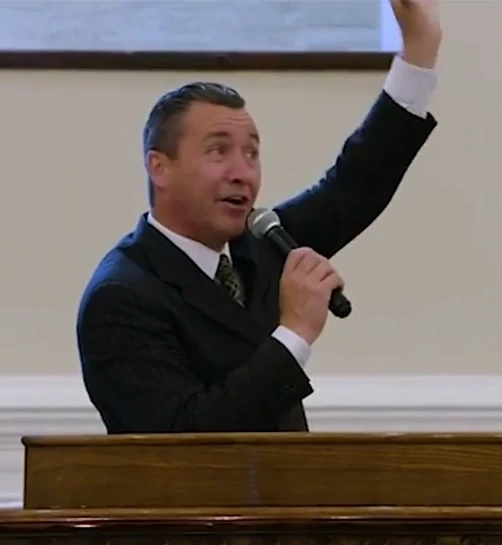
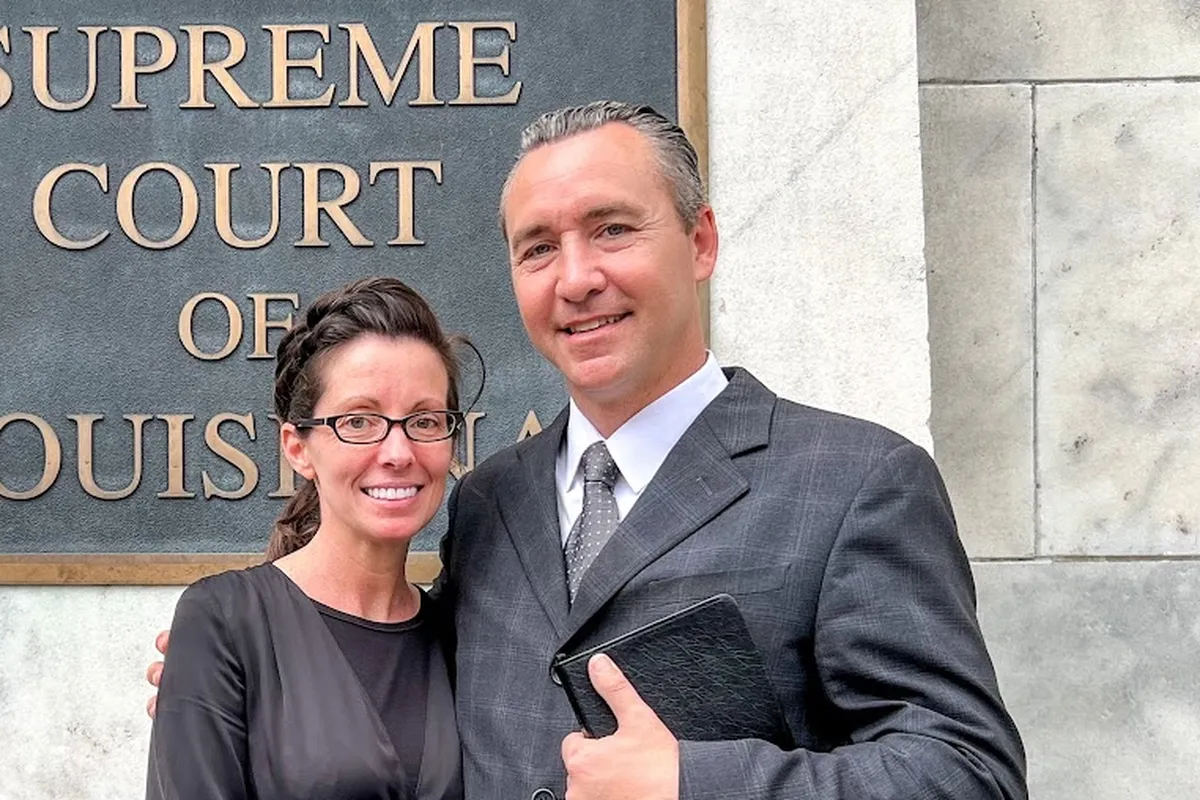
So, Who Is Pastor Tony Spell?
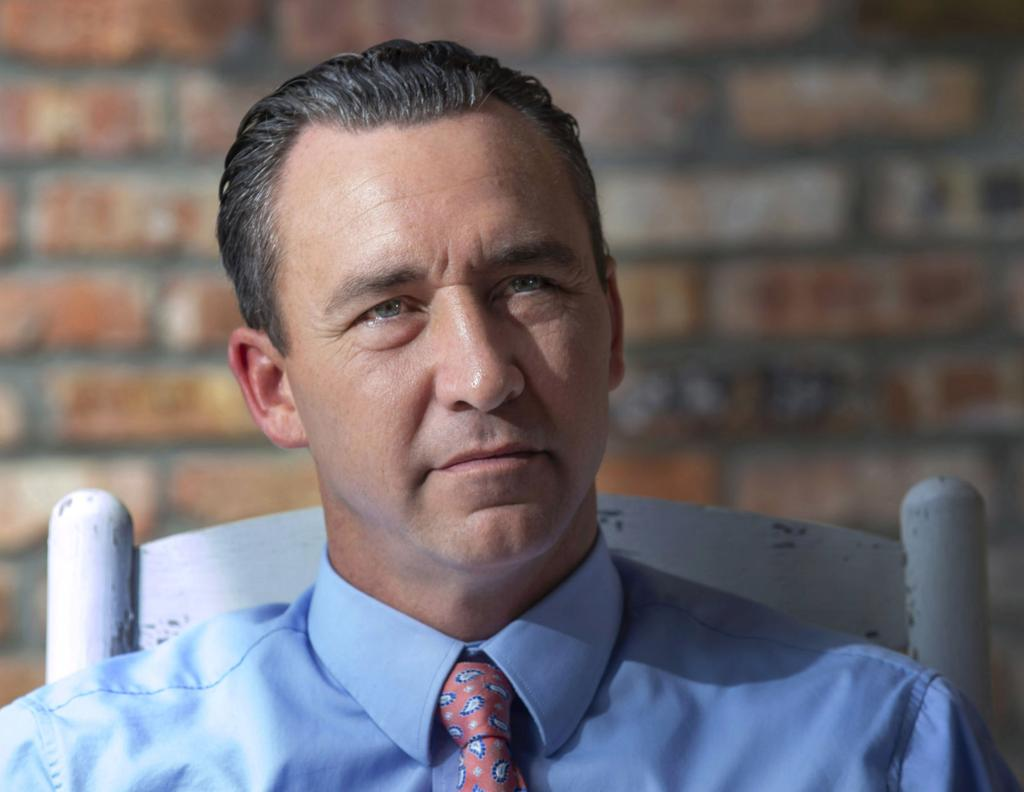
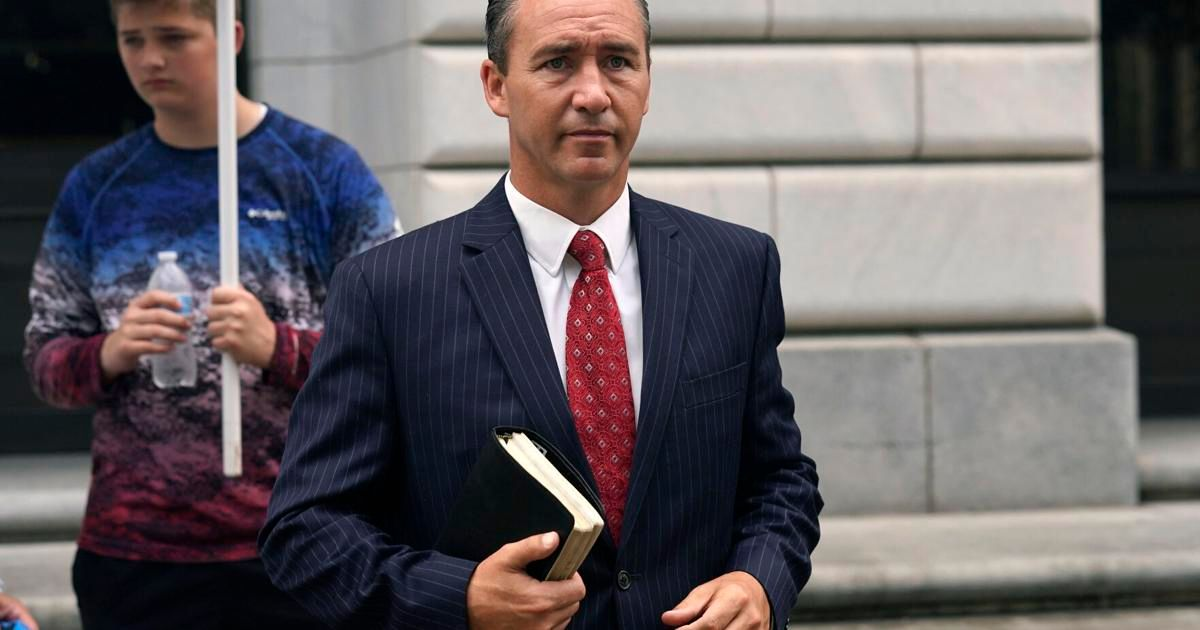
Well, if you’ve only seen headlines, you might think he’s walked straight out of a courtroom drama with extra fire and a megaphone. But he’s actually the lead pastor of Life Tabernacle Church in Central, near Baton Rouge, Louisiana.
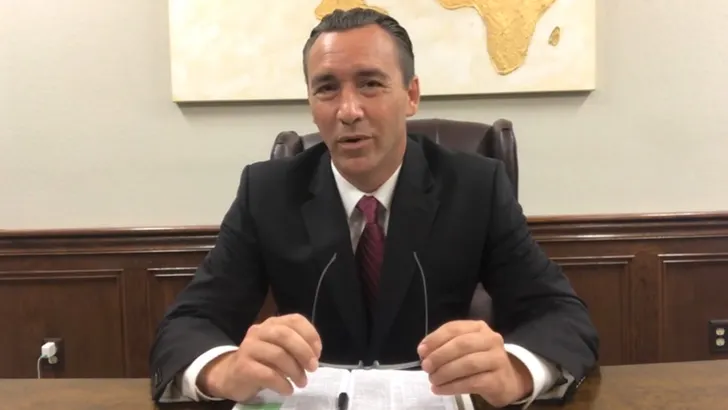
Watch Video HERE
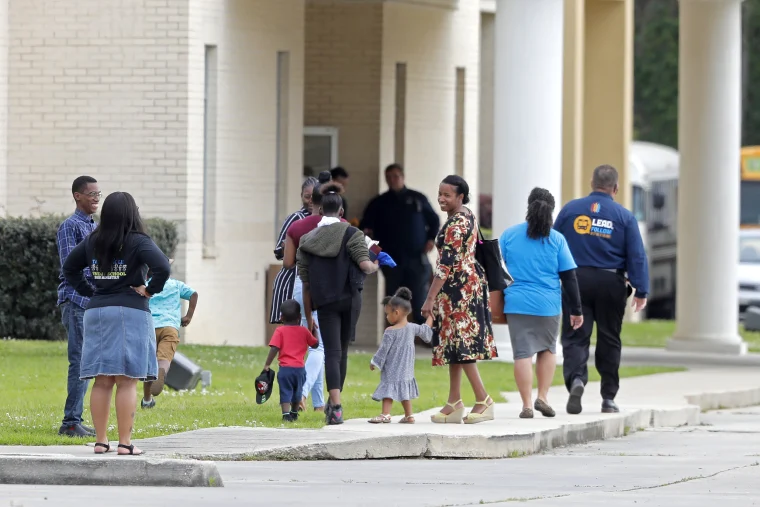
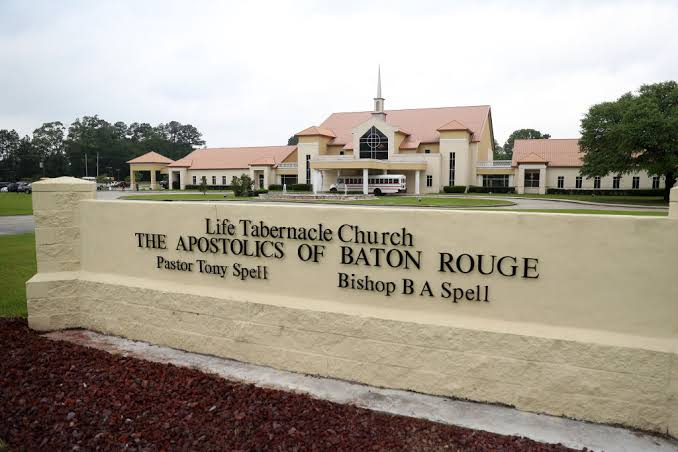
And yes, he’s the kind of pastor who tends to… well… not blend into the background. The Tony Spell arrest stories, the protests, the headlines — they’ve all built up this very loud public image. Which brings us straight into the Pastor Tony Spell incident that most people remember first: the COVID era.
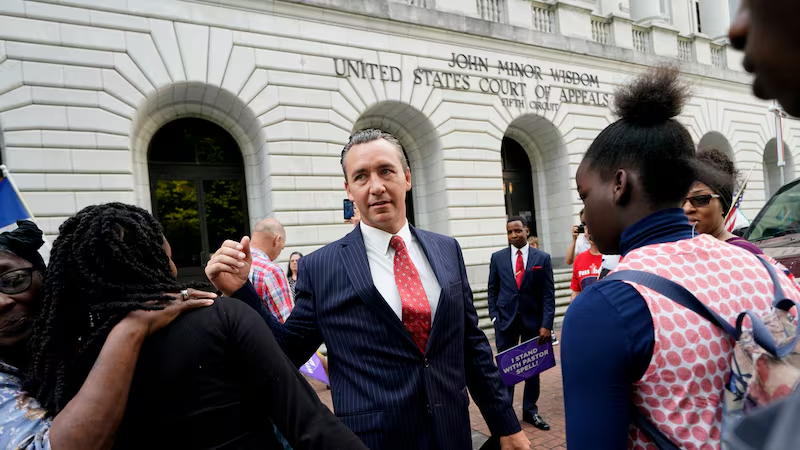
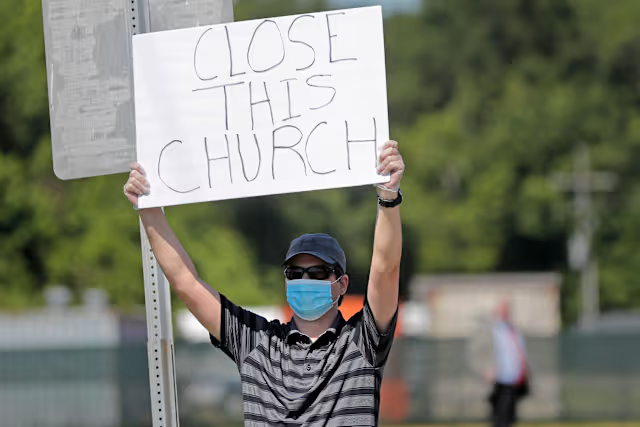
Back in 2020, wile much of the world was baking banana bread and learning Zoom etiquette, things escalated around his church. The Pastor Tony Spell COVID church service gatherings went ahead despite stay-at-home orders. That’s where the Pastor Tony Spell defies lockdown narrative really took hold, and suddenly the Tony Spell Louisiana church controversy wasn’t just local gossip — it was national news.
Now, depending on who you ask, that was either bold faith or reckless defiance. Probably both camps still argue about it over coffee (or something stronger). And if you dig a bit deeper into the Life Tabernacle Church incident, you’ll find layers of legal tension, public pressure, and a whole lot of noise — the kind that makes it hard to hear anything clearly.
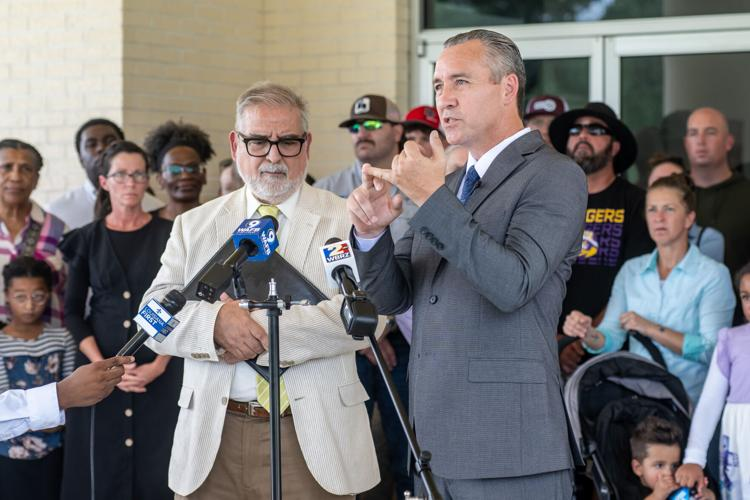
The Tony Spell legal case that followed didn’t just stay in court documents. It spilled into headlines, social media, and plenty of heated opinions. Some saw conviction. Others saw confrontation. And somewhere in the middle, you’ve got a very real family, church, and community trying to live through it all.
And here’s the awkward bit we often forget: stories like this rarely come with all the facts neatly tied up.
The Tony Spell court case update cycle kept rolling, but so did rumours, half-quotes, and strong opinions dressed up as certainty.
Ever noticed how quickly we can decide someone’s entire character from a headline?
It raises a bigger question, really. When does a public figure stop being a person and start becoming a symbol we argue about instead? Why do we not recognise God sovereignly elects whoever He wants?
Because behind every Tony Spell arrest headline and every news clip, there’s still a pastor, a church, and a community trying to make sense of a storm they didn’t exactly ask for.
And maybe that’s where we pause for a moment. Jesus once said, “Judge not, that you be not judged” (Matthew 7:1, NKJV). Easy to quote… much harder to live when the internet is doing 100mph. Misjudging is the issue here.
So where does that leave us? Maybe not with neat answers, but with better questions. And sometimes, that’s where truth starts to breathe again — right in the middle of the noise.
What Happened in the Pastor Spell Incident?
Well… depending on where you read it, you’ll get about six different versions — all shouting at each other like they’ve had too much coffee and not enough sleep.
And yes, if you’ve been online for more than five minutes, you’ll have seen the Tony Spell arrest, the headlines, and the endless commentary that followed.
Now, the more recent Tony Spell Louisiana church controversy has taken things in a different direction again, because it’s not just about the earlier Pastor Tony Spell COVID church service era anymore. It’s now layered with fresh claims, counter-claims, and a very messy public narrative that nobody seems able to fully untangle.
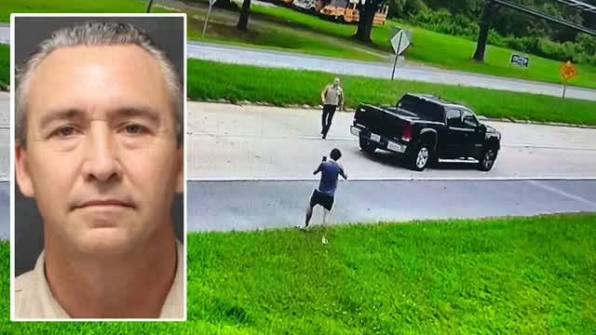
Some reports online describe a confrontation involving members of the community, with allegations of ongoing hostility and escalating conflict. Others strongly dispute that framing and insist key details are missing or misunderstood.
And that’s where things get complicated — because the internet absolutely loves a tidy villain, even when real life refuses to cooperate.
So you end up with competing stories surrounding the Life Tabernacle Church incident, each one insisting it’s the “full truth”, while the rest are “selective reporting”. Ever tried assembling IKEA furniture with instructions from three different boxes? It feels a bit like that.
The Tony Spell legal case element adds even more weight to the situation, because once courts, police reports, and public statements enter the mix, everything becomes even more fragmented. People don’t just argue about what happened — they argue about what counts as what happened.
And through it all, the Pastor Tony Spell defies lockdown narrative from the pandemic years still hangs in the background like a loud echo that won’t quite fade.
For some, it shapes how they interpret everything else. For others, it feels like ancient history that keeps getting dragged back into the present.
The Tony Spell court case update cycle continues to fuel discussion, but it rarely brings the calm people hope for. If anything, it tends to raise more questions than it answers.
But Scripture nudges us differently. “Everyone should be quick to listen, slow to speak, and slow to become angry” (James 1:19). Not exactly the internet’s favourite pace, is it?
So maybe the real challenge isn’t just figuring out what happened, but how we talk about people when the facts are still foggy.
Because once the noise dies down, you’re still left with people, not headlines — and that changes everything, doesn’t it?
The Backstory Behind the Altercation
Evidently, Pastor Spell’s critics are not aware of the six-year backstory of relentless persecution against him, his family, and his church. If they were, they might pause before rushing to judgement.
What he has endured is not a minor disagreement or a bit of neighbourhood tension. It has been a sustained pattern of vulgar, racist, and at times violent intimidation — a kind of ongoing nightmare arena that most people would struggle to imagine, let alone live through for years on end.
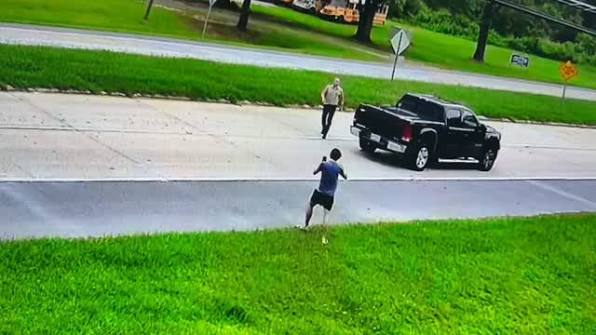
Even now, police surveillance cameras remain positioned in the home of the neighbours across the street. Yes — years after Covid, his church is still under surveillance. The footage of the incident itself comes from these cameras, which raises serious questions for some about the nature of the ongoing situation and whether proper protection or intervention has been consistently provided.
Notably, this is not a case of one-sided conflict. The family across the street have, over the years, made obscene gestures, issued verbal threats, and engaged in repeated abuse toward the pastor, his family, and the church. At one point, during a televised interview, the father even stated that he wished he had an AK-47 to shoot at the church. Not exactly the kind of “neighbourly concern” you find on a welcome card.
If someone is unaware of that level of escalation, then a single incident of road rage or confrontation can easily be misread. But context matters. Without it, people will naturally judge incorrectly. If you are unaware that these threats were repeatedly reported to police — and, from the perspective of those involved, not adequately addressed — then it becomes harder to understand why someone might feel forced into personally protecting their family.
Further details will emerge showing multiple attempts to involve local law enforcement. While there is full support for the police in principle, there is also the belief that, in this case, they failed to act decisively when they should have.
The threats described were not vague or hypothetical. They included explicit intent to harm women and children, allegedly from an individual already known to have used a vehicle as a weapon in previous incidents. There were also chilling references to timing — “the next time you leave home” — alongside the fact that cameras were reportedly positioned to monitor the family’s movements.
In that context, it was not a random dispute. From their perspective, it was an ongoing and escalating danger.
At one point, the individual allegedly taunted them directly with: “What the F are you going to do about it?” — a question that, given the circumstances, was not rhetorical, but deeply provocative.
For those involved, returning again and again to the police had already proven ineffective. And so, rightly or wrongly, they believed they were left with no meaningful protection in place.
As more details come to light, a fuller picture of the situation will emerge.
Did Pastor Spell Act in Self-Defence?
When intimidation escalated into explicit threats of rape and murder, the man in the arena took action. At that point, Pastor Spell’s first responsibility — as he understood it — was to protect his wife’s dignity and his children’s safety.
Under Louisiana law, verbal threats of rape and murder can fall under criminal statutes such as terrorizing and/or assault.
For example, Louisiana’s terrorizing statute (La. R.S. 14:40.1) makes it illegal to communicate threats of violence in a way intended to cause fear, evacuation, or disruption — particularly where it results in sustained fear for personal safety.
So the legal and moral question becomes more complex when threats are not abstract, but repeated, specific, and tied to ongoing intimidation.
If an individual had allegedly threatened rape and murder, was stalking a spouse, and then physically attempted to strike the pastor, then the use of force to stop an immediate attack could reasonably be interpreted as defensive rather than vindictive.
That said, words like “I’ll break your neck” sit in a different category — they reflect anger and threat. Scripture is clear: protection of the innocent may be justified, but violence must never become enjoyment or revenge.
So the real question is not simply: “Did the pastor hit someone?”
The real question is: “Was force used to stop an immediate threat, or to settle a score?”
Scripture consistently rejects revenge, but it also affirms the duty to protect the vulnerable.
If someone crosses a line looking for a fight out of personal anger, that is difficult to defend biblically. But if they genuinely believe there is an immediate threat to their wife, children, and congregation, many Christians would see that as more in line with a shepherd protecting his flock than a man acting out of aggression.
Now, to be direct — without trying to be harsh.
Tony has lived under this pressure for six years. And during that entire period, despite constant taunts and provocation, he did not respond with violence. That is simply a matter of record. He is not known as a brawler — and those close to him would confirm that.
For six years, there were threats, insults, and provocations directed at him, his family, and members of his church. Yet he consistently chose restraint. “As much as it depends on us, live peaceably with all men” — and by every account, that is the approach he tried to take.
General insults were not enough to push him over the edge. Even repeated hostility did not do it.
What changed, from his perspective, was when those elements escalated into something more specific — a direct, detailed threat, combined with the sense of an imminent trigger and ongoing surveillance of his movements.
In his view, this was no longer hypothetical danger. It was a stated plan tied to opportunity: “the next time you leave home.”
From that standpoint, he believed the situation had crossed into immediate risk involving the safety of his wife and grandchildren. And in that moment, he acted in a way he believed would deter further action.
Ultimately, when Tony stands before God, he will answer for his actions. When he stands before a jury, they will determine any legal consequences. Beyond that, opinions — whether supportive or critical — won’t carry much weight in either setting.
What Does the Bible Say About Self-Defence?
Scripture does not present life as passive in the face of evil. Alongside its strong emphasis on peace, it also places a clear responsibility on believers to protect life, restrain harm, and act wisely in the face of real danger.
Several passages are often referenced in discussions about self-defence:
- Proverbs 24:11–12 calls God’s people to “rescue those being led away to death” and to hold accountable those who ignore obvious danger. The principle is active: if you can intervene to preserve life, you should not simply stand by.
- Exodus 22:2–3 distinguishes between murder and the defence of a home during a break-in, especially at night. The text reflects the reality that defending one’s household in the face of intrusion was treated differently from premeditated violence.
- Nehemiah 4:14 shows families standing guard while rebuilding, with people prepared to defend their homes against threat. Even in a spiritual rebuilding moment, watchfulness and protection were expected.
- 1 Timothy 5:8 teaches that a person who fails to provide for their household has denied a basic responsibility of faith. While often applied to provision, the broader principle includes safeguarding those under one’s care.
- Romans 13:1–4 describes governing authorities as being appointed to “bear the sword” to restrain evil. This is significant because it shows that force, in itself, is not automatically immoral — rather, it is the use of force that determines its righteousness or corruption.
Taken together, the biblical case being made is this: believers are not called to take revenge, but they are called to protect life when a real and immediate threat is present.
Paul writes:
“Do not take revenge, my dear friends, but leave room for God’s wrath.” (Romans 12:19)
This is often used as a blanket objection to all forms of self-defence. However, the context is important. Paul is addressing vengeance — the desire to repay evil with personal retribution.
What is often missed is what follows immediately in the next chapter:
“For the one in authority… is God’s servant, an agent of wrath to bring punishment on the wrongdoer.” (Romans 13:4)
In other words, Scripture draws a distinction between revenge and restraint. God forbids personal vengeance, but He does not forbid the use of lawful authority — or proportionate force — to restrain evil and protect others.
So the biblical tension is not between “violence vs no violence,” but between revenge vs protection, and cruelty vs restraint.
The argument, therefore, is that force is not inherently sinful. What Scripture consistently condemns is unjust, excessive, or retaliatory violence — not the measured defence of life when faced with genuine and immediate danger.
Does "Turn the Other Cheek" Forbid Self-Defence?
The phrase “turn the other cheek” is often quoted as though Jesus was issuing a universal rule for every situation imaginable — including violent assault. In practice, that interpretation tends to flatten what is actually a very specific teaching into something it was never meant to carry.
Jesus said:
“But I tell you, do not resist an evil person. If anyone slaps you on the right cheek, turn to them the other cheek also.” (Matthew 5:39)
Context does quite a bit of heavy lifting here.
Jesus is describing a slap on the cheek, not a life-threatening attack. And in the cultural setting of the time, a slap on the right cheek from a right-handed person would typically be a backhanded strike — less about injury, more about insult. It was the ancient equivalent of saying, “You’re beneath me,” without needing a full speech or PowerPoint presentation.
So the issue being addressed is not survival or physical defence, but humiliation and personal retaliation.
The wider section in Matthew 5 continues that same theme:
- insults
- lawsuits
- forced labour
- personal enemies
In other words, Jesus is dealing with situations where your pride, rights, or dignity are being challenged — not scenarios involving immediate lethal danger.
In Roman and Jewish culture, that backhanded slap wasn’t just contact; it was a statement of superiority. It was designed to provoke retaliation, escalate tension, and draw people into a cycle of revenge. And Jesus, intentionally, steps into that cycle and says: don’t play that game.
That’s why all His examples in this passage fit the same pattern:
- A slap on the cheek → insult
- A lawsuit over a tunic → legal dispute
- Carrying a soldier’s pack one mile → forced obligation/oppression
- Enemies and interpersonal conflict → relational tension
All of them deal with how to respond when you are being demeaned or wronged, not how to respond when someone is trying to seriously harm you or others.
So the teaching is not about passivity in the face of violence. It is about refusing to be governed by revenge, ego, or the instinct to “get even.” It is about breaking the reflex that says, “You hit me, I hit you back harder.”
What Jesus is not describing is a situation where someone threatens rape, murder, or is actively attacking others. Conflating those categories can lead to serious misunderstanding of the text.
Biblically, there is a clear distinction between vengeance and protection.
- Vengeance says: “I will settle the score.”
- Protection says: “I will stop harm.”
Jesus’ command in Matthew 5 is aimed squarely at the first one.
So “turn the other cheek” is best understood as a call to refuse personal revenge in matters of insult, humiliation, and everyday conflict — not a command to stand by while violent harm is inflicted on your family, your children, or others under your care.
Conflating those two categories has, frankly, produced more confusion than clarity.
Was Jesus a Pacifist?
Jesus Himself Did Not Always Remain Passive
When Jesus was struck during His trial, He did not simply “turn the other cheek” in a passive sense. He responded:
“If I said something wrong, testify as to what is wrong. But if I spoke the truth, why did you strike me?” (John 18:23)
He challenged the injustice directly. No approval. No silent acceptance of wrongdoing.
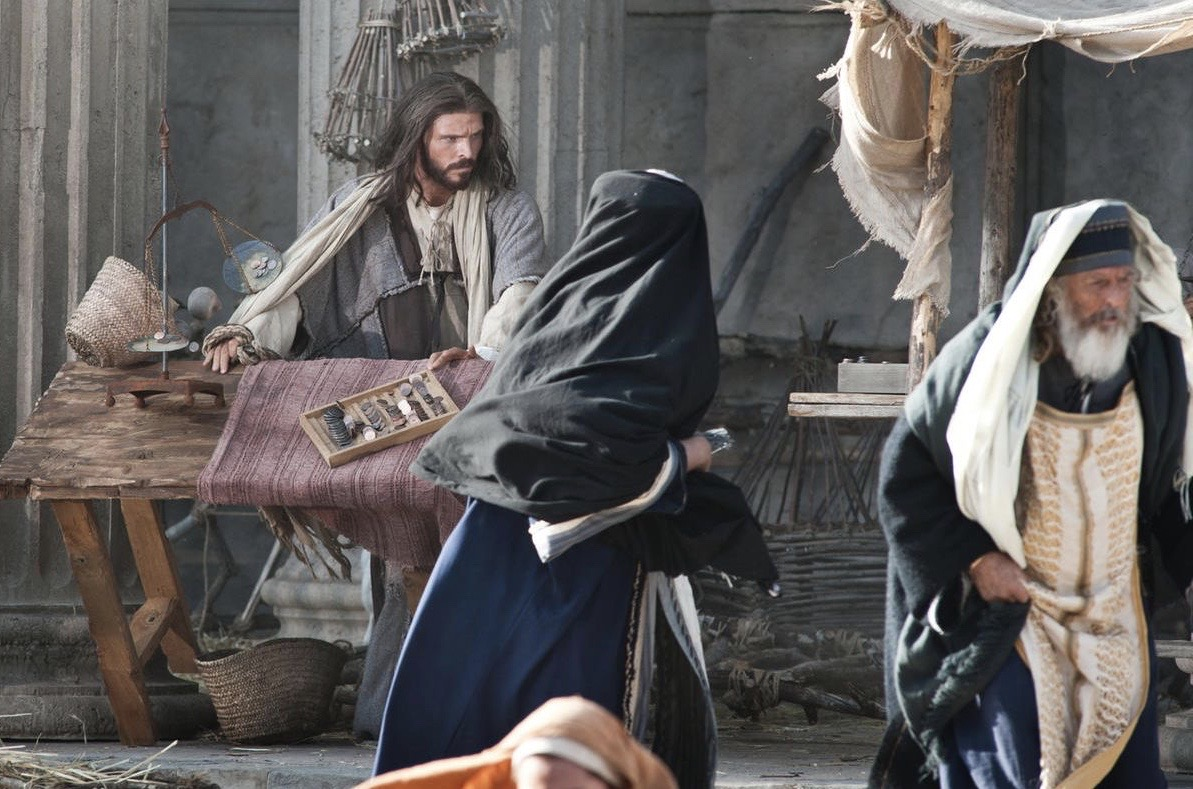
Likewise, in the temple incident, Jesus made a whip and drove out the money changers (John 2:15). This was not uncontrolled rage, but deliberate action against corruption in God’s house.
In other words, the same Jesus who taught non-retaliation in personal insult also acted decisively when confronting exploitation and wrongdoing. So the issue is not “passive vs active,” but revenge vs righteous response.
And yes — had people been there that day, many would have condemned Him. In fact, the religious leaders did exactly that. Righteous action rarely feels comfortable in real time.
What About Peter’s Sword?
Luke records Jesus saying:
“He that hath no sword, let him sell his garment, and buy one.” (Luke 22:36)
The disciples respond: “Here are two swords,” and Jesus says: “It is enough.”
At face value, that sounds like practical preparation — not metaphor, not symbolism, but readiness in a dangerous environment.
But the tension appears immediately afterward.
When Peter uses a sword in Gethsemane, Jesus stops him:
“Put your sword away…” (Matthew 26:52)
Why? Because Jesus was not trying to avoid arrest. He was fulfilling it:
“Shall I not drink the cup the Father has given me?” (John 18:11)
He even adds that He could call “more than twelve legions of angels” (Matthew 26:53). In other words, this was not inability — it was intentional restraint for a redemptive purpose.
So Peter’s sword is both affirmed in principle (at least in Luke’s wording) and then restrained in that moment. That creates a genuine interpretive tension.
Where the Tension Actually Sits
There are two main ways this is read:
- The “swords” were for general protection in a dangerous world, but Jesus forbids their use in His arrest because that moment is unique in salvation history.
- Or the instruction was never primarily about combat readiness, and the disciples misunderstood its practical intent.
Either way, the text doesn’t give a perfectly neat system — and it probably resists being forced into one.
What is clear is this: Jesus consistently refuses personal revenge, even while at other times He acts with force, authority, and confrontation where righteousness requires it.

Not Passive, Not Reactive
Jesus is not portrayed as emotionally unstable or violent, but neither is He portrayed as passive in the face of wrongdoing.
- He lays down His life voluntarily (John 10:18)
- He expresses righteous anger without sin (Ephesians 4:26 principle)
- He confronts injustice directly when needed
Even the temple scene shows controlled intent, not uncontrolled rage.
The Passion narrative itself shows the balance:
Jesus is not overpowered — He permits it.
He is not helpless — He chooses it.
And whatever else is debated, the text consistently separates vengeance (forbidden) from truthful, protective, and righteous action (sometimes required).
Should Christians Protect Their Families?
As a relationship teacher, there’s one basic principle worth stating plainly: you should never casually attack, insult, or threaten a man’s wife or children. That’s not just “unwise communication” — it tends to cross into territory where instinct, emotion, and responsibility collide very quickly.
Across psychology and basic human behaviour (including animal behaviour), threats to a man’s family often trigger a strong defensive response. Whether people like that reality or not, it exists. And part of the biblical view of humanity is that we are embodied beings — not abstract minds floating above biology.
Of course, Christians are called to self-control. That is central. But self-control is not the same thing as emotional absence. It is restraint under pressure.
And once certain lines are crossed — repeated threats, humiliation, or perceived danger to family — the internal pressure can become extremely difficult to manage. Many tragedies in history sit precisely in that space between provocation and restraint collapsing.
A Difficult but Real Scenario
Now consider a situation like the one being described:
- Six years of ongoing harassment
- Repeated racial abuse
- Explicit threats of rape
- Threats against a child
- Threats of murder
- Stalking of a spouse
- Public intimidation
- And an attempted physical assault
Even many Christians who strongly advocate “turn the other cheek” would still acknowledge one basic moral duty: a husband and father has responsibility before God to protect those under his care.
The question, then, is not whether peace is good. It is. The question is whether peace always means non-intervention in the face of active threat.
A father cannot simply say, “I choose peace,” while his wife or children are being actively terrorised. In biblical terms, love is not only gentle — it is also protective.
Strength, Weakness, and Misunderstood Courage
There is a common misunderstanding in Christian discussion: that inability to act physically always equals higher spirituality.
But inability is not the same thing as restraint.
If a man is physically incapable of defending his family, that is not necessarily spiritual maturity — it is simply incapacity. That does not make him more Christlike; it makes him unable to act.
On the other hand, a man who can act, but chooses restraint, is exercising something much closer to biblical self-control: power under governance.
There is a difference between:
- not being able to fight, and
- choosing not to fight
One is limitation. The other is discipline.
And confusion between those two can lead to distorted ideas of what “strength in Christ” actually means.
Controlled Strength, Not Unchecked Aggression
For those who do have the capacity for force, the Christian challenge is not denial of that capacity, but governance of it.
Strength is not proven by violence. But neither is it proven by pretending you have no capacity for it.
Real restraint is: having the ability to act, and only doing so when necessity demands it.
A Final Thought on Temptation
C.S. Lewis makes a helpful observation about temptation: you don’t fully understand its weight until you have resisted it under pressure, not merely avoided it when it is easy.
Someone who gives in immediately never experiences the full intensity of the struggle. In the same way, someone who has never been in a situation of real threat may underestimate what restraint actually costs when emotions, fear, and responsibility collide.
What Does the Bible Say About Protecting the Innocent?
“Rescue those being led away to death; hold back those staggering toward slaughter.” (Proverbs 24:11)
This is not passive language. It is active, urgent, and intervention-based. The picture is of someone stepping in, not standing by.
Scripture consistently presents a responsibility to act when innocent life is in danger.
A husband is also given a clear calling:
“Husbands, love your wives, just as Christ loved the church.” (Ephesians 5:25)
Christ’s love is sacrificial, but it is not indifferent. It is committed, protective, and willing to act for the good of those He loves. In practical terms, many Christians would argue that failing to protect one’s household from an imminent and credible threat would itself be a moral failure.
The key distinction in Scripture is not whether force exists, but why it is used.
- Defence ≠ murder
- Protection ≠ vengeance
- Intervention ≠ retaliation
The Bible’s moral weight consistently falls on intent and necessity, not merely action.
Samson and the Spirit of God
Samson is one of the clearest Old Testament examples of divinely empowered violence used in a specific context.
“And the Spirit of the LORD came mightily upon him…” (Judges 15:14)
Immediately after:
“And he found a new jawbone of an ass… and slew a thousand men therewith.” (Judges 15:15)
The text presents this as empowerment in response to conflict, not random aggression. Whatever theological tensions people discuss around Samson, the narrative shows that God is not presenting a purely passive model of dealing with violent oppression.
Across Scripture, the line is consistently drawn here:
God condemns revenge.
God permits — and at times commands — protection of the innocent.
The difference is not outward action alone, but whether the heart is driven by vengeance or responsibility.
Can a Pastor Use Force?
A pastor is not only a preacher — he is also, biblically speaking, a shepherd. And shepherding is not a passive role. It involves guarding, watching, and protecting.
Jesus said:
“The good shepherd lays down his life for the sheep.”
He contrasts this with another figure:
“The hired hand sees the wolf coming and leaves the sheep and runs away.” (John 10:11–13)
The image is deliberately sharp. A shepherd is not someone who observes danger from a safe distance and offers commentary. He is someone who stands between the threat and the flock.
In that sense, the contrast is not between “violent and non-violent,” but between responsibility and abandonment.
A shepherd who sees a clear and present danger to women and children and does nothing is not portrayed as especially spiritual — he is portrayed as a hired hand looking after himself first.
So if threats are credible, ongoing, and there is no effective protection from authorities, many would argue that a pastor’s duty of care intensifies, not weakens. The question becomes one of responsibility: what does faithful protection of the flock actually require in that moment?
Key Bible Verses on Self-Defence
- Proverbs 24:11–12 — rescue those being led away to death and save those staggering towards slaughter.
- Exodus 22:2–3 — defending a household from a night intruder was treated differently from murder.
- Nehemiah 4:14 — people guarding their families against threat.
- 1 Timothy 5:8 — a man must care for his household.
- Romans 13:1–4 — governing authorities are given the sword to restrain evil.
- Matthew 5:39 — "if anyone slaps you on the right cheek, turn to them the other cheek also."
- John 18:23 — Jesus challenges the injustice of being struck.
- John 2:15 — Jesus makes a whip and forcibly clears the temple.
- Luke 22:36–38 — "He that hath no sword, let him sell his garment, and buy one."
- Matthew 26:52 — "all they that take the sword shall perish with the sword."
- Matthew 26:53 — "Thinkest thou that I cannot now pray to my Father, and he shall presently give me more than twelve legions of angels?"
- John 18:11 — "Shall I not drink the cup the Father has given me?"
- John 10:11–13 — the good shepherd versus the hired hand.
- Ephesians 5:25 — "Husbands, love your wives, just as Christ loved the church."
- Judges 15:14–15 — Samson and the jawbone of an ass.
- Romans 12:19 — "Do not take revenge, my dear friends, but leave room for God's wrath."
- Romans 13:4 — civil authorities "do not bear the sword for no reason."
Lessons Christians Can Learn from the Pastor Spell Case
Many Christians who advocate turning the other cheek would still acknowledge that a husband and father has obligations before God.
If you are trying to make yourself look good by quoting Bible verses to discredit Tony, just know that God has indeed called us men to protect our families, and if law enforcement cannot, or will not, we must.
I hope we never find ourselves in that spot, but that's where Tony was.
For those who will use this difficult moment in Tony's life as a weapon against him, that says a lot more about your heart than his. For those who support him, I appreciate you, and I share this to help inform you of the details and give more context of the situation. Those things matter.
I'm thankful for what Tony has done. My sister feels safe, and I feel she was protected.
Final Thoughts: Revenge or Protection?
A helpful way to frame this is simple:
“Turn the other cheek” applies to personal insult.
Protecting others applies to real danger to the innocent.
Jesus willingly endured mockery, spitting, slander, and ultimately crucifixion — all directed at Himself. He did not retaliate for personal offence.
Yet throughout Scripture, God repeatedly calls His people to defend the weak, rescue the endangered, and protect those placed under their care.
So the distinction is not between “soft” and “aggressive,” but between revenge and responsibility.
A shepherd who absorbs personal insult without retaliation may well be acting in the spirit of Christ.
But a shepherd who refuses to act while a wolf is harming the flock is not demonstrating higher spirituality — he is neglecting his role.
“Turn the other cheek” was never a command to abandon others to harm. It is a command to refuse personal vengeance.
Love does not stand aside and watch evil consume the innocent.
A shepherd protects the flock. This is how the Sovereign Lord ordained it.
#PastorTonySpell #TonySpell #LifeTabernacleChurch #ChristianSelfDefence #TurnTheOtherCheek #BiblicalManhood #ProtectYourFamily #ChristianApologetics #FaithAndFamily #BibleTeaching
Here are the source links for the story, straight from local and national news coverage:
Primary local coverage (WAFB):
- Central Pastor Tony Spell arrested, accused of attacking neighbor
- 'The truth will come out in court': Pastor Tony Spell speaks after bonding out
- Family releases new video of fight involving Pastor Tony Spell
- 'I fulfilled the scripture. I laid hands on the sick,' Pastor Tony Spell confessed to his congregation
- I-TEAM: Police reports detail disputes before pastor threw punches
- Central's police chief denies Pastor Spell's claims that law enforcement failed to keep the peace
WBRZ:
The Advocate:
Daily Caller (national):
Categories: : Church Life, Doctrine
I have read and agree to the terms & conditions.